 Ukrainian
 Polish
 Slovak
 Czech
Czech Romanian
 Irish
Irish Hungarian
 Russian
 Hindi
Hindi Portuguese
Preparing for Birth
As your due date approaches, it’s natural to feel a mixture of excitement, anticipation and perhaps a little nervousness. Every birth is unique, and while you can’t predict exactly how your labour will unfold, there are many things you can do during pregnancy to help you feel prepared, informed and confident.
Preparing for birth involves more than packing your hospital bag. Looking after your physical and emotional wellbeing, learning about labour, and making practical plans can all help you feel ready to welcome your baby.
Learn About Labour and Birth
Understanding what happens during labour can help reduce anxiety and give you confidence in knowing what to expect.
During your pregnancy, take time to learn about:
- The signs that labour has started
- The stages of labour
- Pain relief options available
- Different ways your baby may be born
- What happens after your baby is born
Remember that every labour is different. While it’s helpful to prepare, it’s also important to stay flexible, as birth sometimes takes an unexpected course. Your healthcare team will explain your options and support you throughout your labour.
Watch our videos on preparing for birth https://whatsupmum.ie/pregnancy-videos/pregnancy-videos/
Attend Antenatal Classes
Antenatal classes are an excellent way to prepare for labour, birth and caring for your newborn.
Classes typically cover:
- What happens during labour and birth
- Pain management techniques
- Breathing and relaxation exercises
- Feeding your baby
- Caring for your newborn
- Your recovery after birth
Many maternity hospitals offer both in-person and online classes. Booking early is recommended, as places may be limited.
Prepare Your Body for Labour
Keeping active throughout pregnancy can help maintain your fitness and may make labour easier.
The HSE recommends continuing regular, pregnancy-safe exercise unless advised otherwise by your healthcare provider.
Some ways to prepare include:
- Walking regularly
- Gentle pregnancy yoga or stretching
- Swimming
- Pelvic floor exercises
- Practising good posture
- Spending time in upright positions during the final weeks of pregnancy
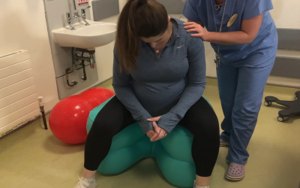
From around 34 weeks, your midwife or physiotherapist may also discuss positions that can encourage your baby into an ideal position for birth. Some women also choose to use a birthing ball to stay comfortable and mobile.
Consider Perineal Massage
From approximately 34 weeks of pregnancy, some women choose to perform perineal massage.
The perineum is the area between the vagina and anus. Gentle massage of this area may help reduce the risk of significant tearing during vaginal birth.
Your midwife can explain whether perineal massage is suitable for you and show you the correct technique. It should not be performed if you have certain vaginal infections.
Watch our video on Perineal Massage here https://whatsupmum.ie/pregnancy-videos/pregnancy-videos/
Practise Breathing and Relaxation Techniques
Learning relaxation techniques before labour can help you stay calm and work with your contractions.
Many women find benefit from:
- Slow, controlled breathing

Pregnant woman in yoga class
- Visualisation
- Mindfulness
- Pregnancy yoga
- Hypnobirthing techniques
- Massage from their birth partner
These techniques won’t remove labour pain but can help you stay relaxed and focused throughout labour.
Think About Your Birth Preferences
Some women like to create a birth plan to outline their preferences for labour and birth.
Your birth plan might include:
- Who you would like with you during labour
- Pain relief preferences
- Preferred labour positions
- Music or calming techniques
- Immediate skin-to-skin contact after birth
- Feeding preferences
A birth plan is simply a guide. Labour can be unpredictable, so it’s important to remain flexible if circumstances change. Your healthcare team will always discuss any decisions with you where possible.
Choose Your Birth Partner
Having someone you trust with you during labour can provide emotional support and reassurance.
Your birth partner can:
- Encourage and reassure you
- Help you with breathing techniques
- Offer massage or comfort measures
- Help you stay hydrated
- Support communication with your healthcare team
Discuss your wishes with your birth partner before labour so they know how best to support you.
Pack Your Hospital Bag
It’s a good idea to have your hospital bag packed by around 36 weeks, or earlier if advised by your maternity hospital.
Items commonly packed include:
For You
- Maternity notes
- Comfortable nightwear
- Dressing gown and slippers
- Comfortable going-home clothes
- Maternity bras
- Maternity pads
- Toiletries
- Phone and charger
- Snacks and drinks (if permitted)
For Your Baby
- Baby vests and babygrows
- Hat
- Socks or mittens
- Cellular blankets (if required)
- Nappies
- Cotton wool or baby wipes (depending on your hospital’s advice)
- Going-home outfit
- Correctly fitted infant car seat for your journey home
Your maternity hospital may provide its own recommended packing list.
Prepare Your Home
Before your baby arrives, try to have the essentials ready.
This may include:
- A safe sleeping space such as a cot or crib
- Baby clothes washed and organised
- Nappies and wipes
- Feeding supplies if needed
- Meals prepared and frozen
- Practical help arranged from family or friends
Having some household tasks completed in advance can make those first few weeks a little less stressful.
Look After Your Emotional Wellbeing
Preparing emotionally for birth is just as important as preparing physically.
It’s completely normal to have worries or fears about labour. Talking openly with your midwife, doctor or obstetrician can help answer questions and reduce anxiety.
You may also find it helpful to:
- Talk with other parents
- Attend antenatal classes
- Practise relaxation exercises
- Rest whenever possible
- Accept help from family and friends
Remember that your healthcare team is there to support you throughout pregnancy, labour and after your baby is born.
Know When to Contact Your Maternity Unit
As you approach your due date, make sure you know how to contact your maternity hospital at any time of the day or night.
Your maternity unit will advise you when to come to hospital. Contact them immediately if:
- Your waters break.
- Your contractions become regular and stronger.
- You notice reduced or absent movements from your baby.
- You have vaginal bleeding.
- You have concerns about your pregnancy or your baby’s wellbeing.
Never hesitate to contact your maternity hospital or healthcare team if you are worried.
Final Thoughts
Preparing for birth isn’t about having everything perfect—it’s about feeling informed, supported and ready for whatever your birth journey brings. Staying active, attending antenatal classes, learning about labour, and making practical plans can all help you approach your baby’s birth with greater confidence.
Remember that every birth is different, and your healthcare team is there to guide and support you every step of the way.
Watch our videos here https://whatsupmum.ie/pregnancy-videos/pregnancy-videos/